
About Gangavati
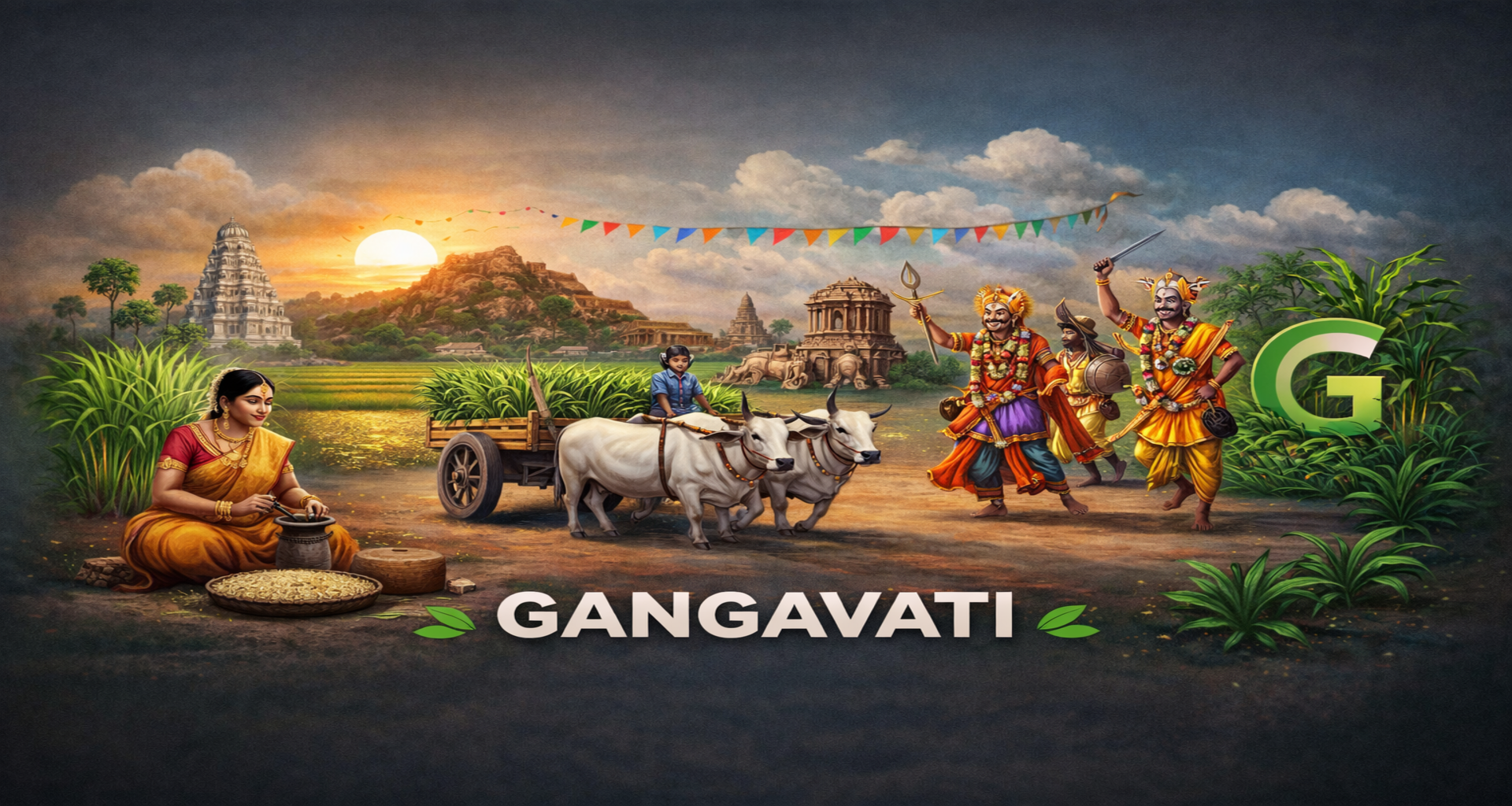
Gangavati is a culturally rich and historically significant town located in the Koppal district of Karnataka, known for its strong spiritual traditions, agricultural prosperity, and proximity to the UNESCO World Heritage Site of Hampi. The town has long served as an important center for trade and farming, supported by the Tungabhadra canal system that sustains its fertile lands. Its historical roots are closely connected to the Vijayanagara Empire, reflected in nearby temples, local customs, and enduring cultural practices.
Surrounded by farmlands and open landscapes, Gangavati offers a peaceful blend of rural charm and growing urban development. The town is widely recognized for its rice mills, traditional festivals, and warm hospitality, making it a welcoming destination for visitors. With its unique mix of heritage, spirituality, and everyday life, Gangavati provides an authentic experience of Karnataka’s heartland while steadily evolving as a regional cultural and commercial hub.
Town Overview
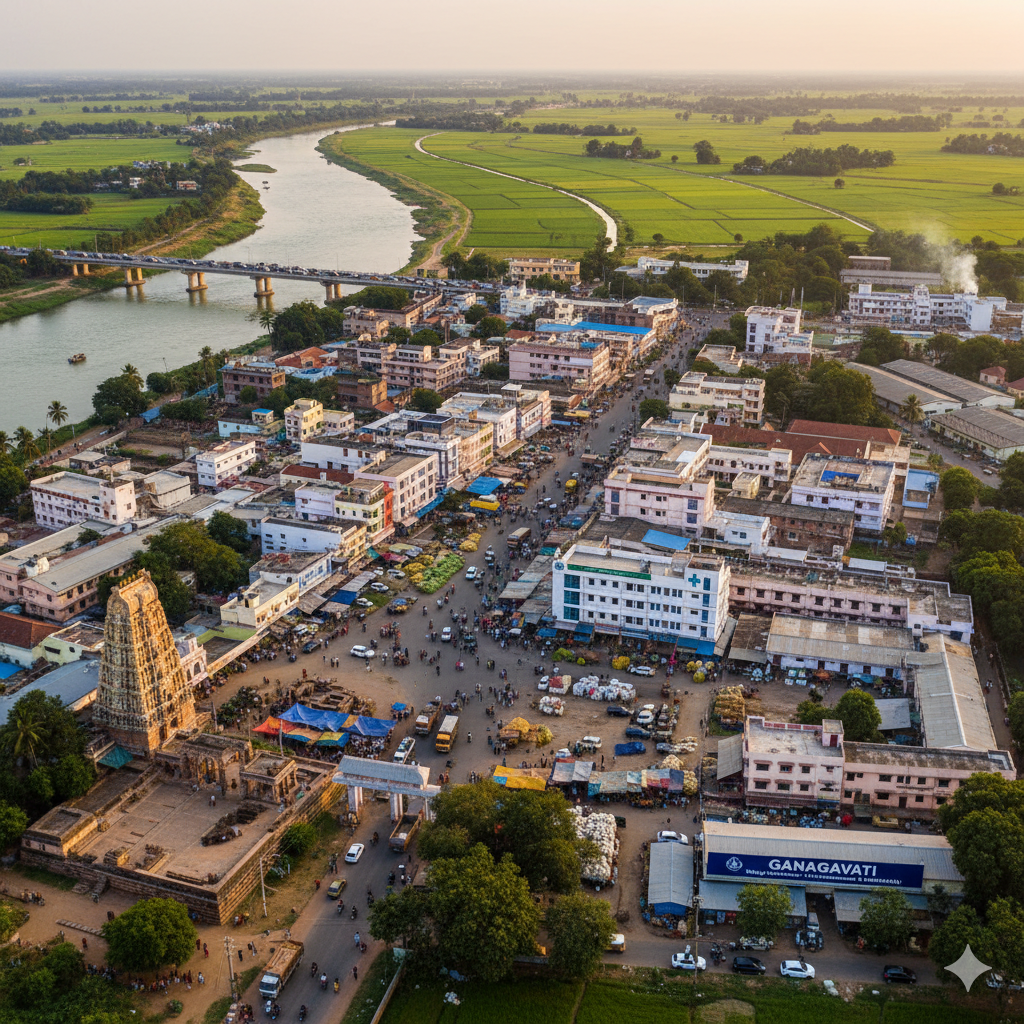
Nestled in the heart of Koppal district in Karnataka, Gangavati stands as a prominent taluk headquarters and one of the thriving commercial powerhouses of the Kalyana Karnataka region. Fringed by the life-giving Tungabhadra River and expansive fertile farmlands, this town has transformed from a quaint agrarian outpost into a pulsating center of commerce, education, healthcare, and light industries. Key highways connect it seamlessly to nearby cities like Hospet and Ballari, drawing in farmers with their harvests, traders negotiating deals in bustling markets, professionals seeking opportunities, pilgrims on spiritual quests, and tourists chasing heritage trails. Whether you’re planning a family visit, scouting business prospects, or simply exploring North Karnataka’s hidden gems, Gangavati offers a perfect blend of modern amenities and timeless hospitality that makes every stay memorable.
History and Heritage
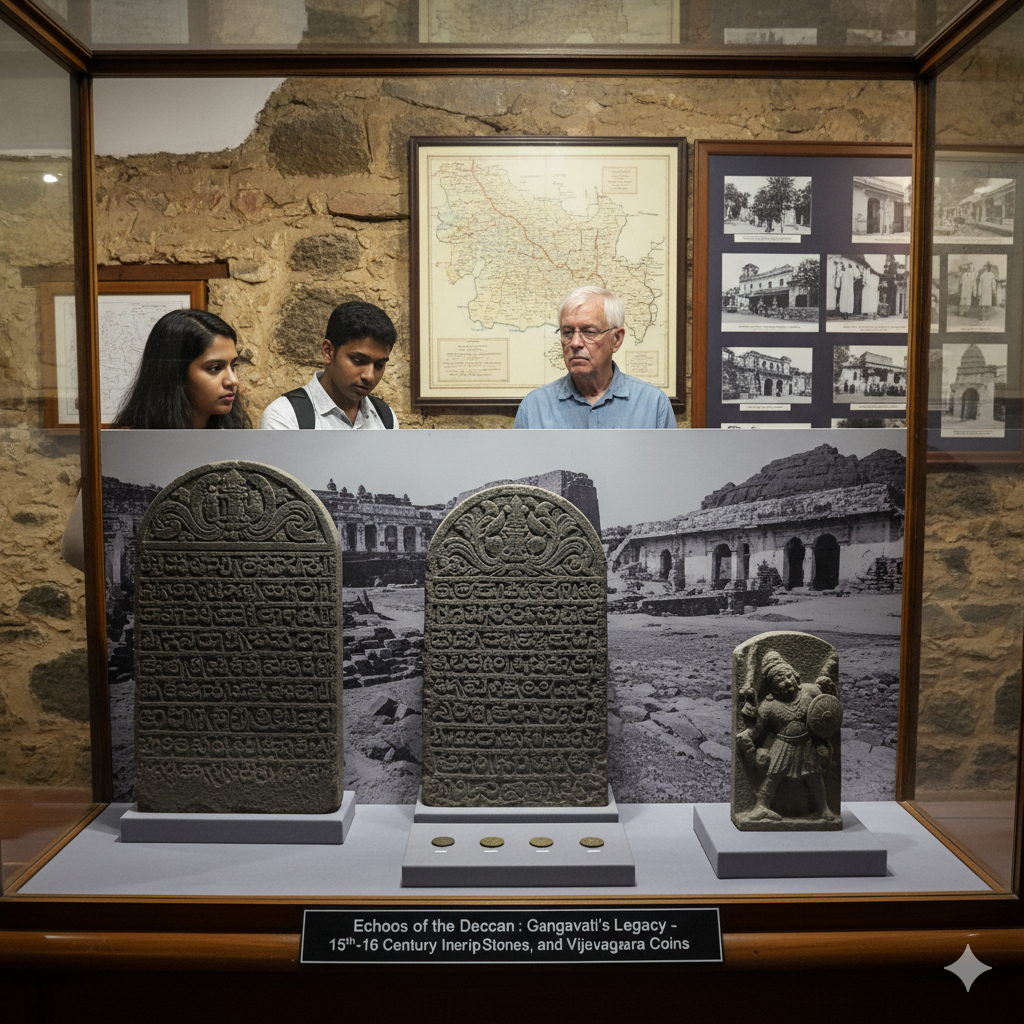
Gangavati’s story is etched deeply into the annals of South Indian history, with influences from illustrious dynasties like the Chalukyas, Rashtrakutas, Hoysalas, and the resplendent Vijayanagara Empire that once dominated the Deccan plateau. Archaeological treasures such as 15th-16th century inscriptions unearthed in the area reveal tales of Jain and Hindu heritage, including hero stones honoring warriors, temple endowments by merchants, and royal grants to saints and scholars. During the pre-independence era, the region fell under the Nizam’s Hyderabad State, fostering a unique cultural synthesis of Deccani, Telugu, Kannada, and Marathi traditions before seamlessly integrating into independent India’s Karnataka state. Today, these historical layers inspire local museums, heritage walks, and annual commemorations, inviting history buffs to uncover the town’s role as a silent witness to centuries of glory, conflict, and cultural evolution.
Agricultural Strength
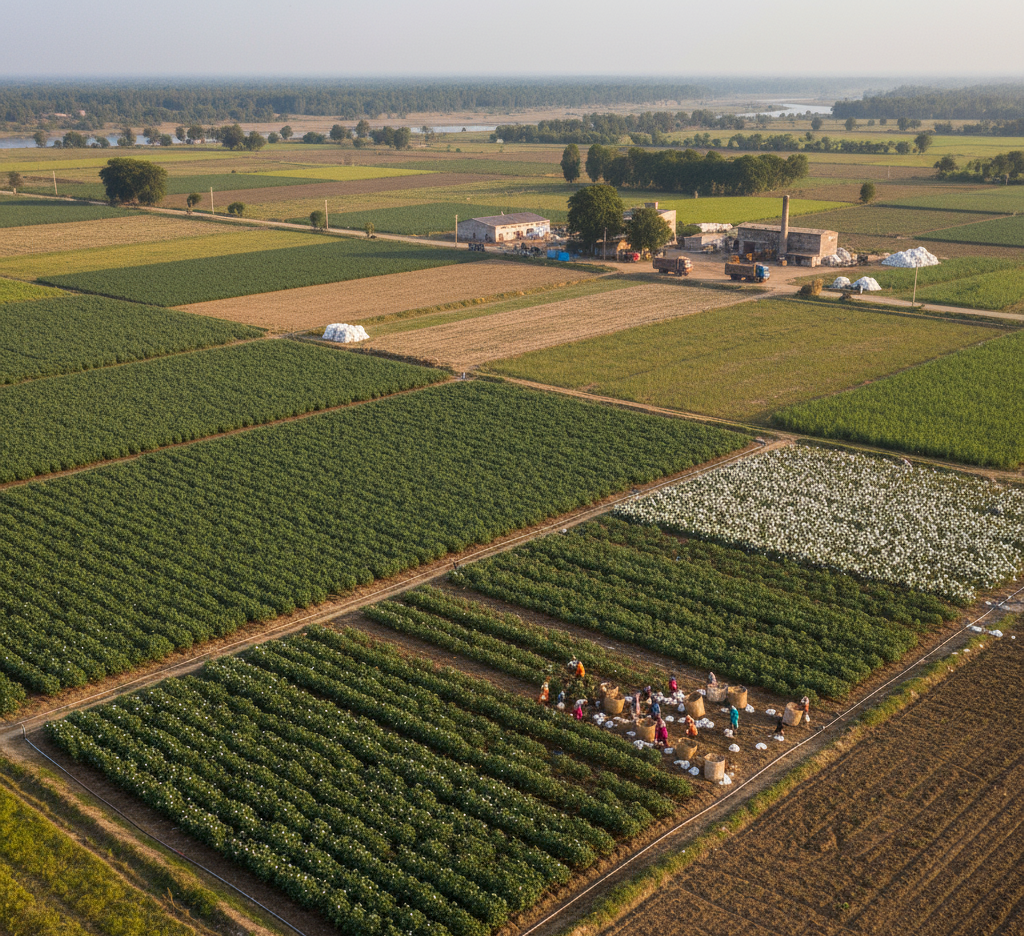
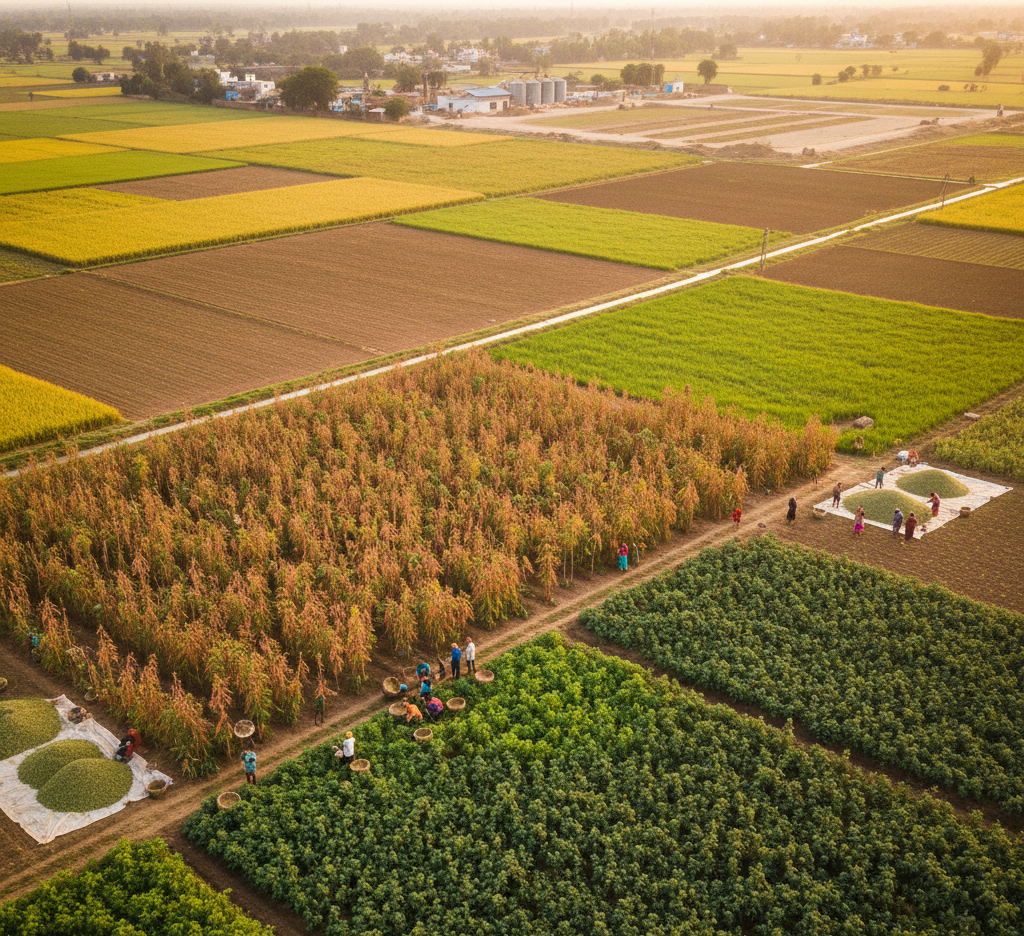
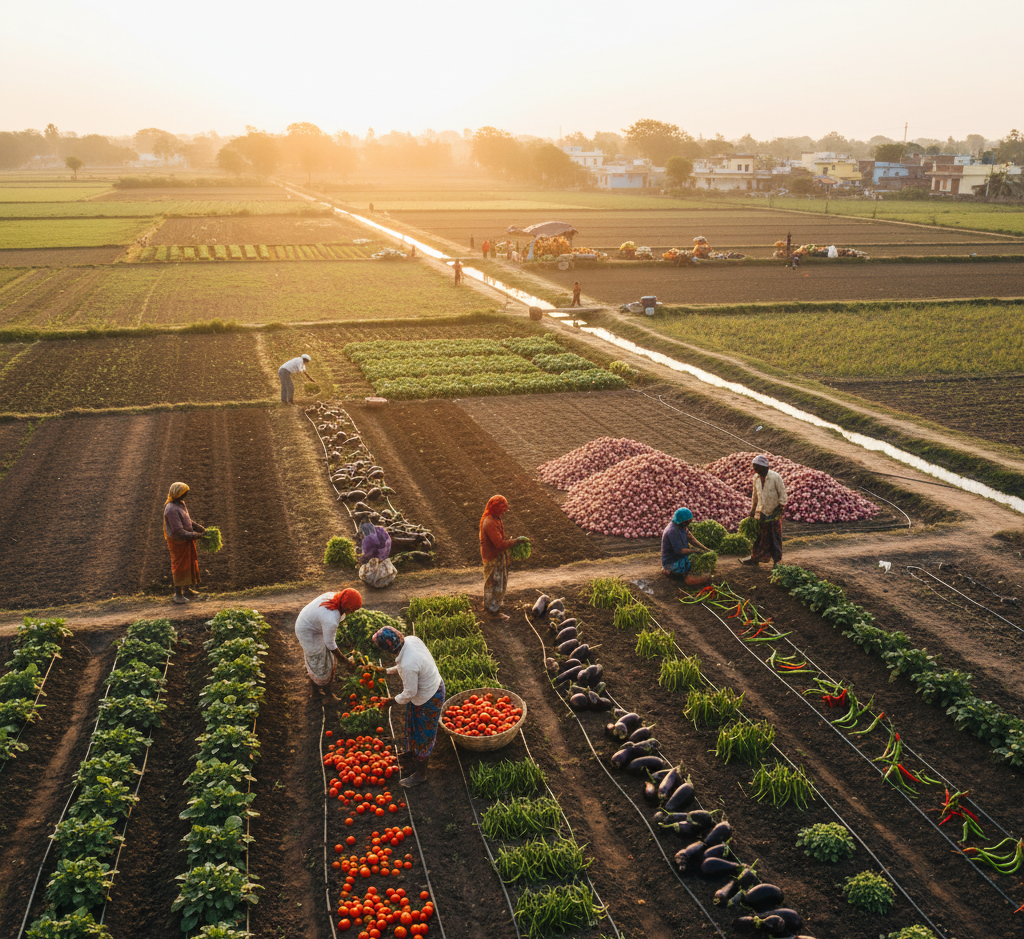
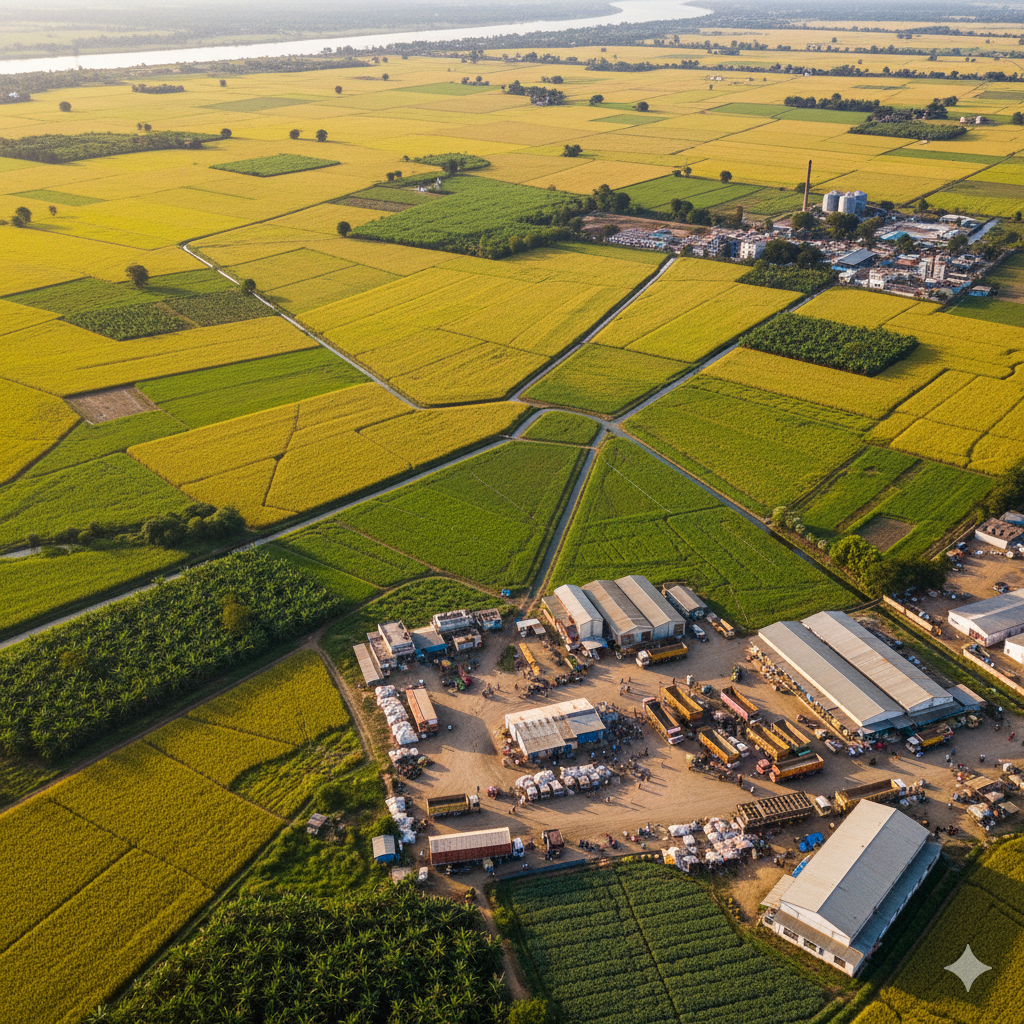
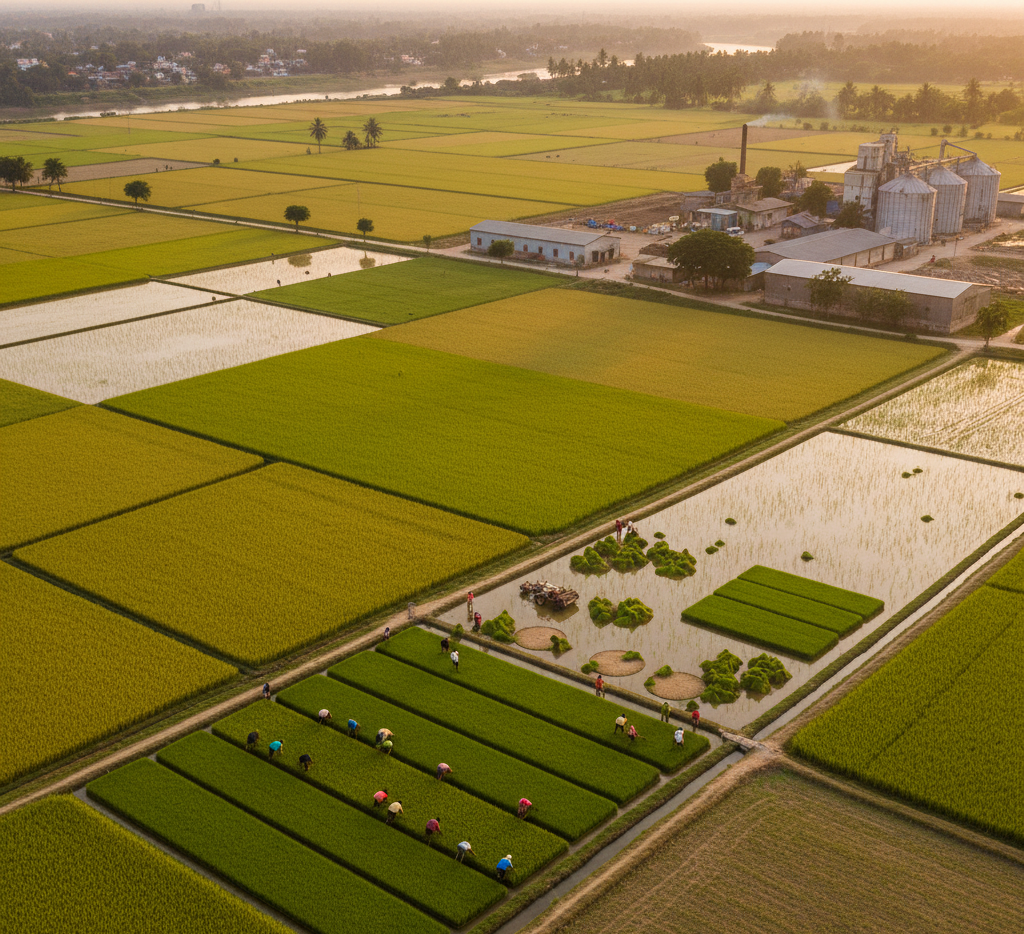
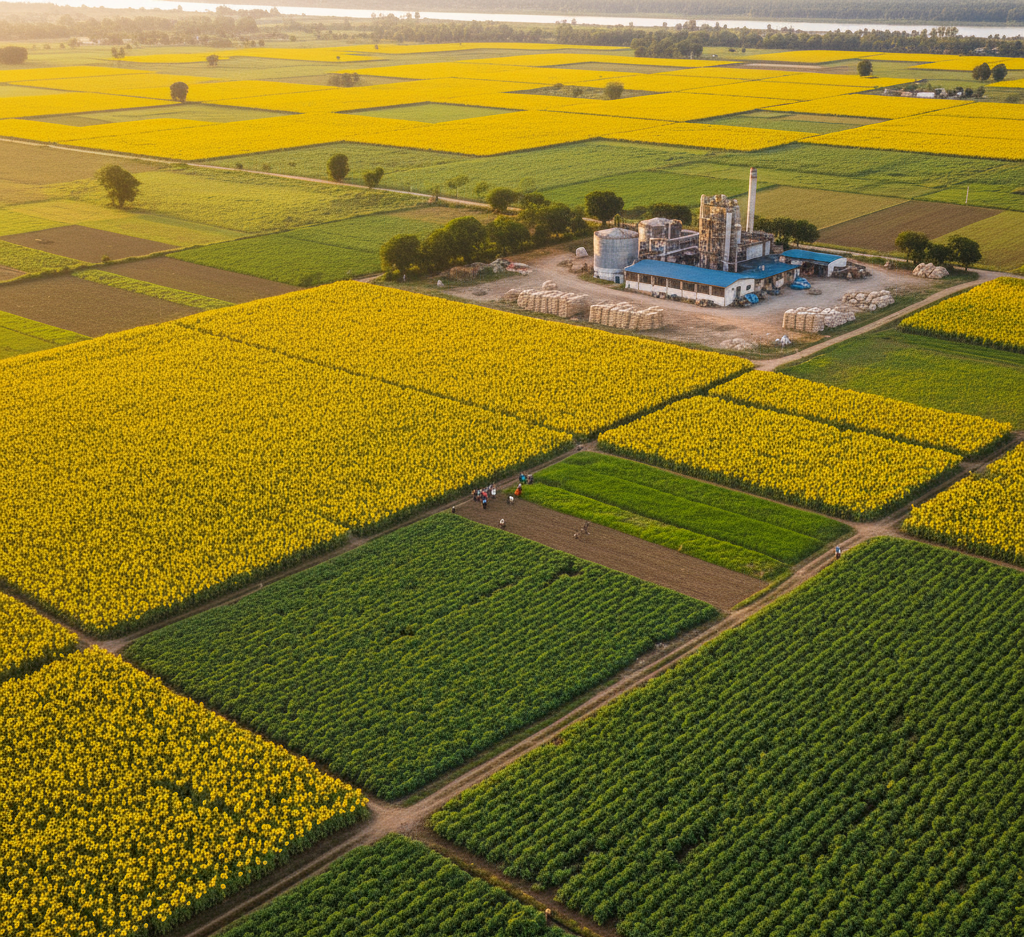
Earnestly dubbed the “Rice Bowl of Karnataka,” Gangavati owes its moniker to the endless golden paddy fields that carpet the landscape, fueled by the Tungabhadra Dam’s irrigation canals and the region’s nutrient-rich black cotton soil. Farmers here master multiple cropping cycles, yielding premium paddy varieties alongside cash crops like sugarcane, bananas, groundnuts, cotton, and pulses, often employing advanced techniques such as drip irrigation, hybrid seeds, and rice technology innovations from Asia’s first dedicated park in the vicinity. The town’s periphery buzzes with over a hundred rice mills, cold storage godowns, seed processing units, and vibrant mandis where traders from across the state converge, creating a robust supply chain that supports food processing, exports, and rural employment for thousands of families. This agricultural backbone not only sustains the local economy but also enchants visitors with harvest festivals, farm tours, and the chance to savor farm-fresh meals straight from the fields.
Paddy
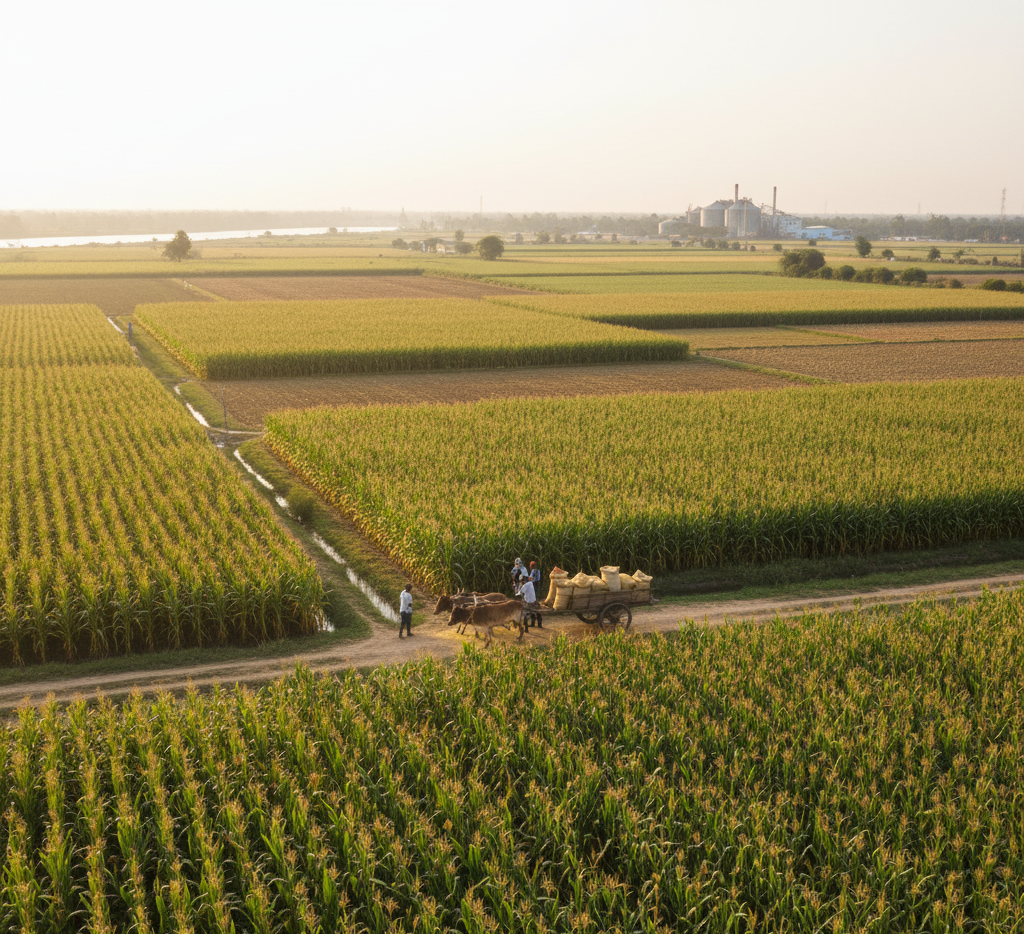
Maize
Maize
Maize is an important cereal crop widely cultivated for both food and industrial use. It grows well in diverse soil conditions and requires moderate rainfall, making it a reliable crop for farmers. Maize is used as human food, animal feed, and raw material for several industries, contributing significantly to agricultural income.
Culture and Festivals
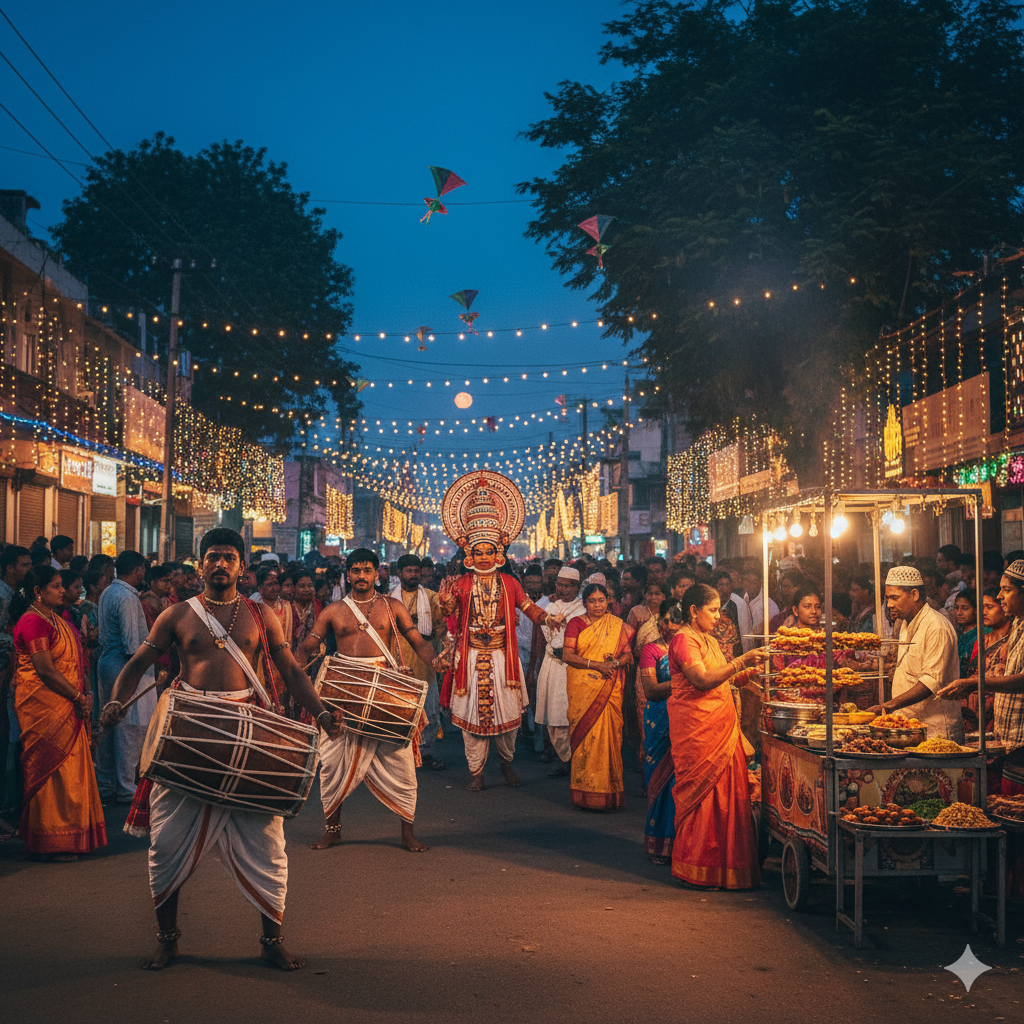
Gangavati pulses with the vibrant spirit of Kannada culture, where age-old traditions mingle effortlessly with contemporary life in a tapestry of festivals, arts, and communal bonds. The calendar bursts with color during Ugadi (Kannada New Year) marked by mango leaf decorations and pachadi feasts; the grand Dasara with illuminated processions, doll displays, and buffalo races echoing Vijayanagara legacies; Deepavali’s lamp-lit revelry; Sankranti’s kite-flying skies and sesame sweets; and lively jatras at local temples drawing devotees from afar. Folk arts like Dollu Kunitha drum dances, Yakshagana theatre, and Bhajan sessions fill evenings, while street food stalls overflow with jolada roti, bisibele bath, ragi mudde, and spicy mirchi bajjis that tantalize every palate. This inclusive ethos, embracing Hindu, Muslim, Christian, and Jain communities, fosters unity through shared rituals, weddings, and markets, making Gangavati a living celebration of Karnataka’s diverse soul.
Tourism and Surroundings
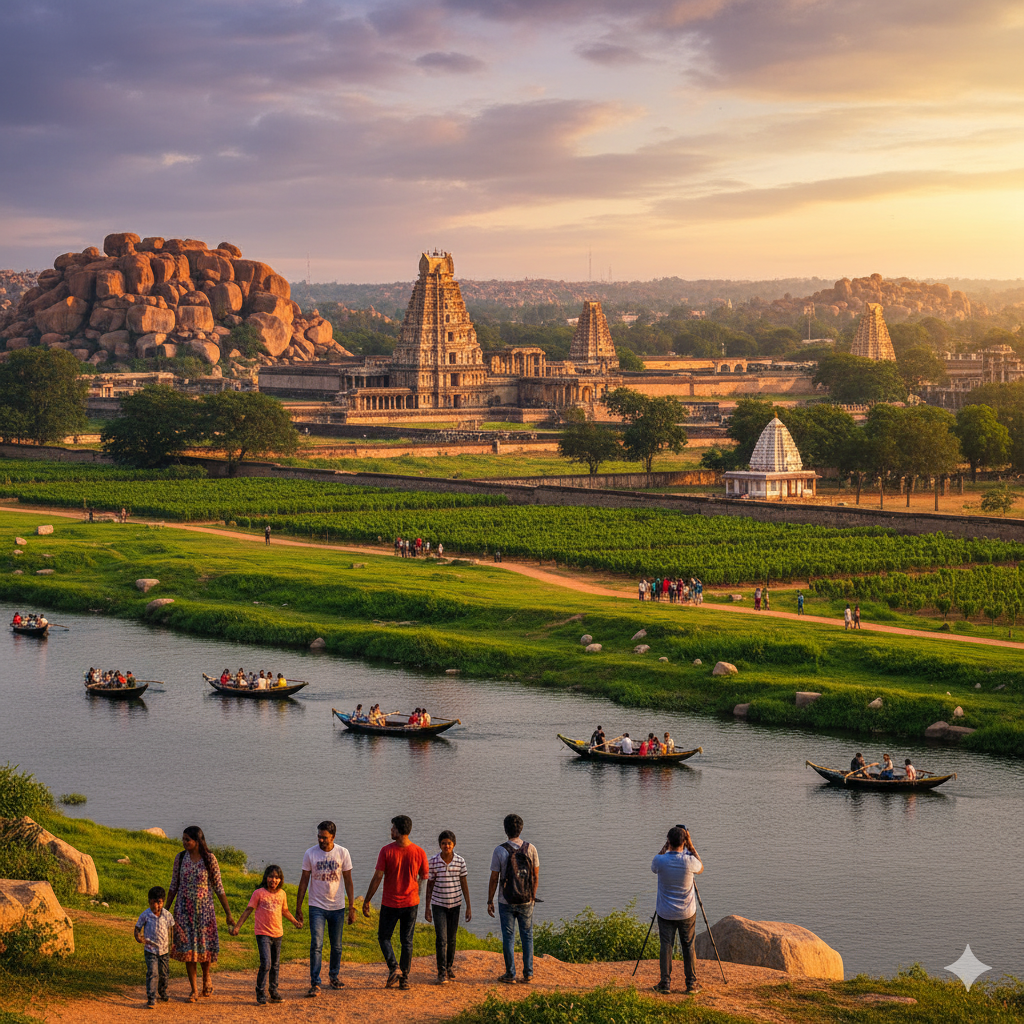
Positioned as the ultimate gateway to Karnataka’s crown jewels, Gangavati unlocks effortless access to UNESCO-listed Hampi with its majestic Virupaksha Temple, elephant stables, and surreal boulder landscapes that whisper tales of lost empires. Just a stone’s throw away lie Anegundi’s ancient village vibes, Anjanadri Hill revered as Hanuman’s birthplace in Ramayana lore, mystical Pampa Sarovar, and the prehistoric sites of Kibbanahalli offering boating, trekking, and cave explorations. Nature enthusiasts flock to Tungabhadra’s riverine trails for birdwatching and picnics, while adventure seekers try coracle rides or off-road drives amid vineyards and orchards. From day trips to immersive stays, Gangavati’s hotels, eateries, and tour operators ensure hassle-free journeys, blending spiritual serenity, architectural wonders, and rustic charm into unforgettable escapades for solo travelers, families, and photographers alike.
Today's Gangavati
In its contemporary avatar, Gangavati harmoniously fuses heritage with progress, boasting sprawling residential colonies, reputed engineering and degree colleges, multi-specialty hospitals, digital banks, and ATMs alongside time-tested silk and cotton bazaars. New commercial hubs host supermarkets, salons, gyms, and cafes, while improved roads, bus stands, and rail links to Hospet enhance connectivity for commuters and cargo. Youth empowerment shines through skill centers, startups in agri-tech, and women’s self-help groups, countering migration trends with local jobs and entrepreneurial vibes. As tourism awareness surges alongside investments in roads and eco-parks, Gangavati emerges as a beacon of balanced growth—inviting investors, educators, migrants, and wanderers to a town where friendly smiles, fresh produce, and endless potential define everyday life in North Karnataka’s rising star.